Imagine waking up to news of flames rising from a key U.S. diplomatic outpost in the heart of the Middle East. That’s exactly what happened on March 3, 2026, when drones struck the U.S.
Embassy in Riyadh, sparking a limited fire but thankfully leaving no one hurt. This drone strike on the U.S. Embassy in Riyadh comes at a time when tensions between the U.S., Israel, and Iran have boiled over into open conflict, raising alarms for American safety abroad.
If you’re an American with ties to the region—whether through family, business, or travel plans—this Riyadh embassy drone incident signals a need to stay informed and cautious. We’ll dive deep into the details, from the attack itself to the broader implications, so you can grasp why this matters and what might come next.
&imwidth=800&imheight=600&format=webp&quality=medium)
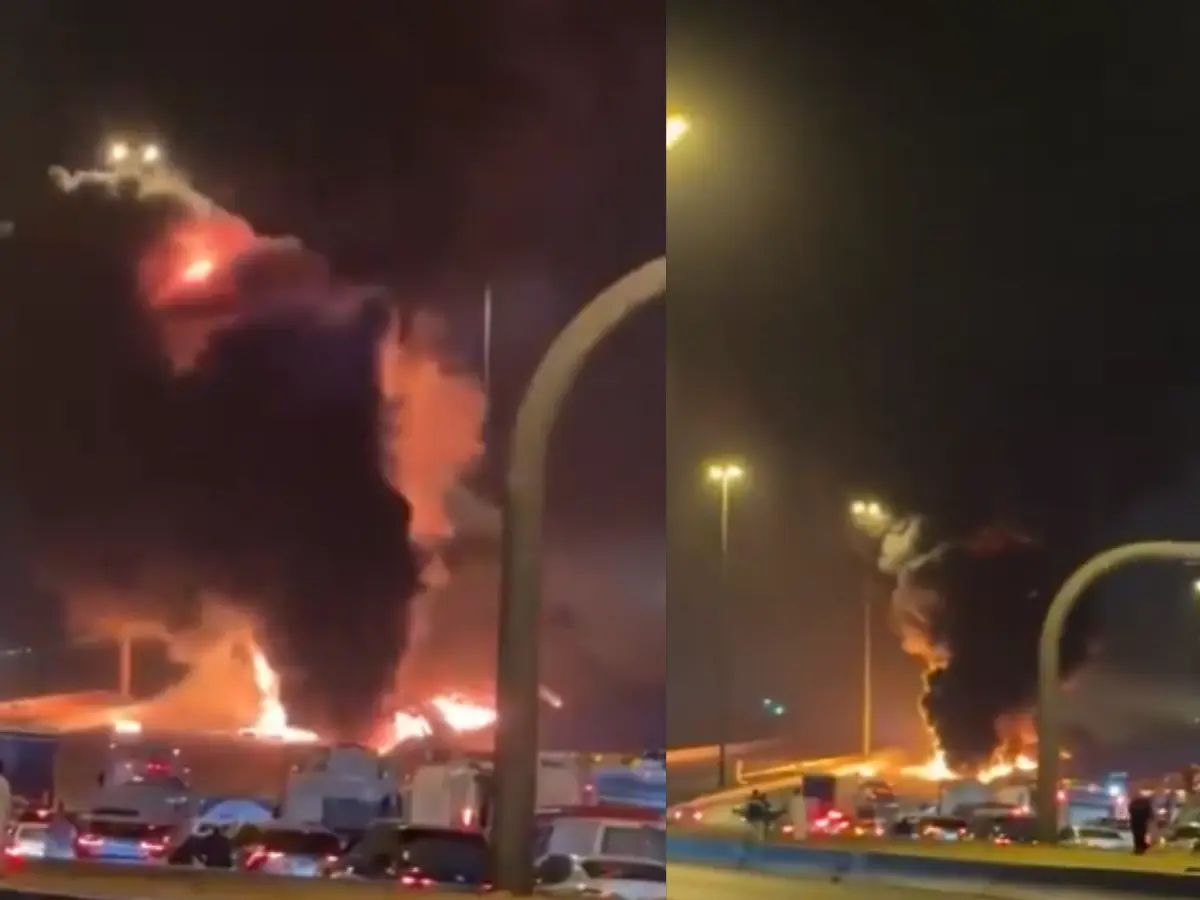
Drone attack on US embassy in Saudi Arabia, blast video surfaces
What Exactly Happened in the Drone Strike on the U.S. Embassy in Riyadh?
Early Tuesday morning, local time in Saudi Arabia, two drones slammed into the U.S. Embassy compound in Riyadh, igniting a small fire and causing minor structural damage.
Witnesses described hearing loud explosions that shattered the quiet of the Diplomatic Quarter, followed by plumes of smoke billowing into the night sky. Saudi Arabia’s Defense Ministry quickly confirmed the attack, noting that air defenses sprang into action and downed additional drones—reports vary between four and eight—heading toward Riyadh and the nearby city of Al-Kharj. The embassy, a sprawling complex symbolizing U.S.
presence in the kingdom, was mostly empty at the time, which explains why no casualties were reported. Emergency teams rushed to the scene, containing the fire before it could spread further. This wasn’t just a random hit; it fits into a pattern of escalating strikes amid the ongoing U.S.-Iran confrontation. Drones have become a weapon of choice in modern warfare here, cheap yet effective for asymmetric attacks, allowing groups to strike from afar without direct confrontation.
In this case, the Riyadh embassy drone attack highlights vulnerabilities even in heavily fortified areas, where advanced radar and missile systems like the Patriot batteries are deployed but can’t catch everything. For context, similar drone incursions have targeted oil facilities and military bases in the region before, but hitting a diplomatic site ups the ante significantly.
To break it down further, here’s a quick timeline of the event based on official reports:
- Pre-dawn hours (around 1:00 AM local time): Initial drone impacts on the embassy compound.
- Immediate response: Saudi air defenses engage, intercepting follow-up drones.
- Within minutes: Fire reported; U.S. Embassy issues shelter-in-place orders for staff in Riyadh, Jeddah, and Dhahran.
- Morning confirmation: Saudi Defense Ministry releases statement; no injuries confirmed.
This sequence underscores how rapidly situations can unfold in tense regions, reminding us of past incidents like the 2019 Abqaiq oil facility attack, which disrupted global oil supplies.
Who Is Behind the Attack? Iran Steps Up Retaliation
Analysts and officials point fingers squarely at Iran or its backed militias for orchestrating the drone strike on the U.S. Embassy in Riyadh. This assault appears as direct payback for recent U.S. and
Israeli airstrikes that hammered Iranian targets, including leadership figures and military sites. The broader conflict kicked off on February 28, 2026, when joint U.S.-Israeli operations targeted Iran’s nuclear program, ballistic missiles, and key commanders, resulting in hundreds of deaths, including Supreme Leader Ayatollah Ali Khamenei.
Iran, vowing fierce retaliation, has unleashed waves of missiles and drones across the Middle East, hitting U.S. allies like Israel, Kuwait, the UAE, and now Saudi Arabia. These actions aren’t isolated; they form part of Iran’s strategy to deter further aggression by imposing costs on U.S. interests without full-scale invasion.
Proxy groups, such as those in Yemen’s Houthis or Iraq’s militias, often provide plausible deniability, but the sophistication of the drones—likely models like the Shahed series—bears Iran’s fingerprints. This escalation mirrors historical patterns, like the 2020 U.S.
drone strike on General Qasem Soleimani, which prompted Iranian missile barrages on U.S. bases in Iraq. Today, with over 2,000 strikes exchanged in just days, the region teeters on the edge of a wider war, potentially disrupting global oil flows through the Strait of Hormuz, which Iran has threatened to close. For Americans, understanding Iran’s motivations—rooted in decades of sanctions, proxy wars, and nuclear standoffs—helps explain why a drone attack in Riyadh feels like a personal jab at U.S. resolve.
President Trump’s Vow – A U.S. Response Is Coming Soon
President Donald Trump didn’t mince words in his response to the drones striking the U.S. Embassy in Riyadh, promising that details of a U.S. counteraction would emerge “soon.”
In interviews, he emphasized that American forces have already inflicted heavy damage on Iran, but hinted the campaign might extend beyond the initial four-to-five-week estimate, possibly lasting longer if needed. Trump stressed no ground troops yet, focusing instead on air and naval power to degrade Iran’s capabilities. This stance reflects his administration’s approach: maximum pressure through strikes and sanctions to force regime change or concessions.
Critics argue this risks prolonged entanglement, echoing the Iraq War’s lessons, where quick victories turned into quagmires. Supporters, however, see it as necessary to counter Iran’s regional influence. Trump’s words carry weight for everyday Americans, potentially affecting everything from military deployments—six U.S. service members have already died in related actions—to economic ripples like rising gas prices if oil supplies falter.
State Department Urges Americans: Depart Now from 14 Countries
In the wake of the drone strike on the U.S. Embassy in Riyadh, the State Department ramped up its warnings, urging U.S. citizens to “depart now” from 14 countries in the region using commercial flights while they’re still available. The list includes Saudi Arabia, Bahrain, Egypt, Iran, Iraq, Israel (plus West Bank and Gaza), Jordan, Kuwait, Lebanon, Oman, Qatar, Syria, the UAE, and Yemen. Specific alerts for Riyadh, Jeddah, and Dhahran called for sheltering in place and avoiding the embassy area amid ongoing threats.
This advisory stems from the real dangers of missile and drone attacks, which have already hit civilian airports and energy sites in Gulf states. If you have loved ones there, advise them to monitor travel.state.gov for updates and prepare emergency plans. Practical steps include:
- Registering with the Smart Traveler Enrollment Program (STEP).
- Keeping passports ready and cash on hand.
- Avoiding crowds and known targets.
These measures could save lives in a fluid situation.
Saudi Air Defenses in Action – How They Stopped More Drones
Saudi forces deserve credit for their swift response during the U.S. Embassy Riyadh drone attack, downing extra drones bound for Riyadh and Al-Kharj. Equipped with U.S.-supplied Patriot systems and other tech, their defenses highlight the strong U.S.-Saudi alliance, forged through arms deals worth billions. Yet, this incident exposes gaps—drones fly low and slow, evading radar at times. Saudi Arabia has invested heavily in countermeasures since 2019 attacks, but perfection remains elusive.
| Defense System | Role in Incident | Effectiveness |
|---|---|---|
| Patriot Missiles | Intercepted incoming drones | High – Downed multiple threats |
| Radar Networks | Detected approaches | Moderate – Some drones slipped through |
| Counter-Drone Tech | Jammed or shot down UAVs | Crucial for urban protection |
This table shows how layered defenses work, but also why vigilance is key.

US Embassy in Saudi Arabia hit with Iranian drones as American and Israeli attacks on Iran escalate – The Boston Globe
Unconfirmed Rumors Swirl – Mossad Agents and Bomb Plots
Amid the chaos of the drone strike on the U.S. Embassy in Riyadh, online chatter claims Mossad agents were arrested for plotting bombings, but no officials have confirmed this. Treat such rumors skeptically; in tense times, misinformation spreads like wildfire, often to sow division. Stick to verified sources like the State Department or major news outlets.
Why This Drone Attack on the U.S. Embassy Matters to Everyday Americans
This Riyadh embassy drone incident isn’t just overseas news—it’s a stark reminder of how Middle East conflicts touch American lives. A direct hit on U.S. soil abroad escalates risks for diplomats and could drag the U.S. deeper into war, affecting troops, budgets, and even your wallet through oil price spikes. With six service members already lost, families back home feel the pain. Economically, disruptions in the Gulf could hike energy costs, impacting everything from commuting to heating homes.
What Could Happen Next in the U.S.-Iran Tensions?
Looking ahead, the drones striking the U.S. Embassy in Riyadh might trigger targeted U.S. strikes on Iranian missile sites or proxies. Scenarios include more air campaigns, cyber ops, or diplomatic pushes via the UN. Watch for Pentagon updates and congressional debates on war powers. To stay safe, follow reliable news and prepare for potential travel bans.