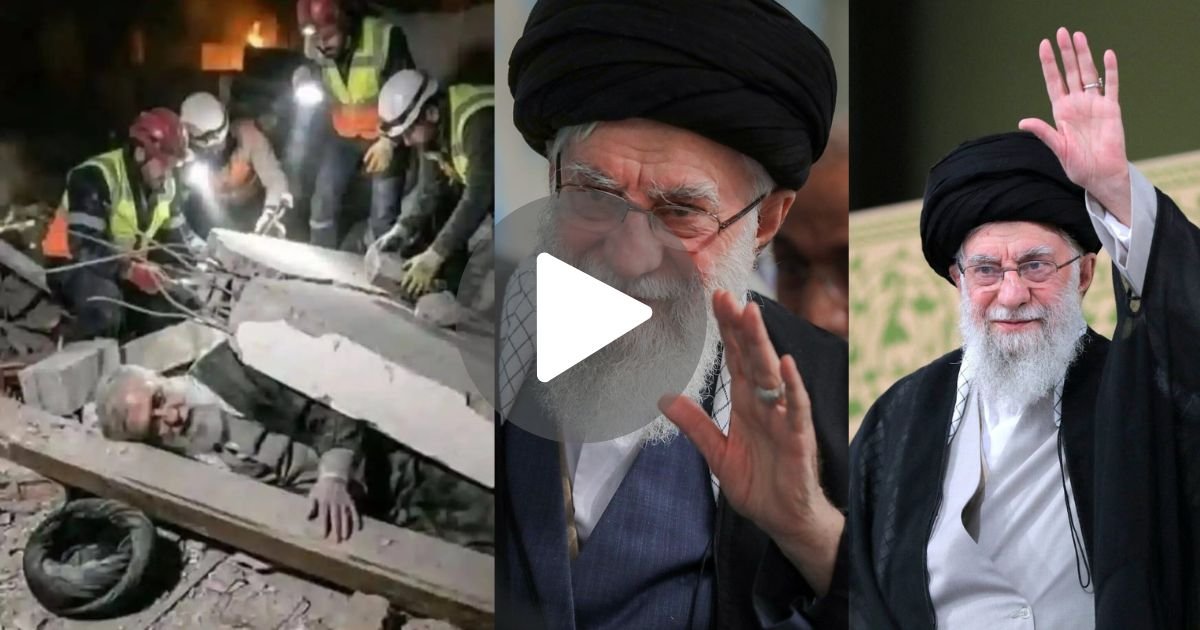
Unverified Claims Surround Iran’s Supreme Leadership
Intense geopolitical tensions have gripped the international community following conflicting reports regarding the status of Iran’s Supreme Leader amid ongoing military escalation in the Middle East.
Several international and regional media outlets reported claims suggesting that Iran’s top leadership may have been targeted during large-scale airstrikes allegedly carried out against strategic compounds. According to these reports, multiple senior military officials and nuclear-related experts were also believed to have been affected.
However, Iranian officials have strongly rejected these claims, describing them as misinformation and psychological warfare aimed at destabilizing public morale during wartime conditions.
Authorities stated that the country’s leadership remains secure, though no immediate public video appearance was released at the time of reporting, leaving global observers awaiting confirmation.

Expanding Conflict Between Major Powers
What initially appeared to be a limited confrontation has rapidly evolved into a broader regional crisis involving multiple global and regional actors.
Military operations have reportedly intensified across several locations, with air and naval strikes targeting strategic facilities. Western defense officials stated that ongoing operations are intended to neutralize perceived security threats, while Iranian authorities insist their actions are defensive responses to foreign aggression.
Diplomatic efforts calling for de-escalation continue, but battlefield developments suggest that tensions remain dangerously high.
Missile Activity Reported Across Gulf Region
Residents in several Gulf cities reported hearing explosions and air-defense interceptions overnight. Defense systems in multiple countries were activated after suspected missile and drone activity was detected in regional airspace.
Authorities in Gulf nations confirmed attempts to intercept incoming aerial threats, with debris from intercepted projectiles reportedly causing limited damage in certain areas. Emergency sirens and precautionary evacuations were triggered in several urban centers as a safety measure.
Airspace disruptions temporarily affected civilian travel routes, highlighting the growing risk to international aviation hubs.
Major International Airport Disruptions
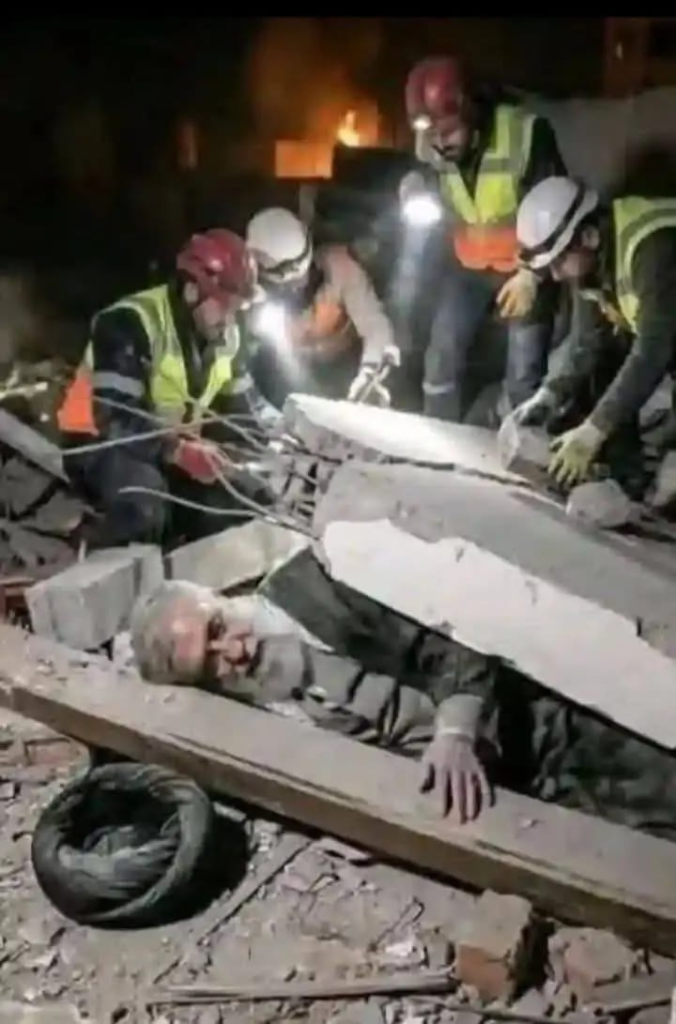
One of the region’s busiest transit airports experienced emergency procedures after reports of aerial threats nearby. Passengers were evacuated toward safety exits while emergency alarms sounded throughout terminals.
Officials moved quickly to secure affected zones, and operations were partially suspended as safety assessments were conducted. The incident caused widespread flight delays and raised concerns about the vulnerability of global transportation infrastructure during escalating conflict.
Drone Warfare Increasing on Modern Battlefields
Military analysts note a significant rise in the use of unmanned aerial systems, including so-called “kamikaze drones.” These drones are capable of surveillance before striking designated targets, making them increasingly influential in modern warfare strategies.
Footage circulating online appears to show drone interceptions and impact sites across multiple locations, though independent verification remains limited.
Strait of Hormuz Closure Raises Global Economic Alarm
A major development with global economic implications involves disruptions near the Strait of Hormuz — one of the world’s most critical energy corridors.
Approximately one-third of global oil shipments typically pass through this narrow maritime route. Any prolonged interruption threatens international energy supply chains, particularly for Asian and European economies heavily dependent on Gulf oil exports.
Energy analysts warn that sustained disruption could trigger sharp increases in oil prices, transportation costs, and inflation worldwide.
Rising Oil Prices and Market Uncertainty
Financial markets have already shown signs of instability amid fears of prolonged conflict. Energy prices have begun rising in anticipation of supply shortages, while investors remain cautious due to geopolitical uncertainty.
Economists predict that continued escalation may lead to:
- Increased fuel prices globally
- Market volatility
- Supply chain disruptions
- Pressure on developing economies dependent on energy imports
Parallel Regional Military Operations
Separately, military activity has also been reported along neighboring regional borders, where ongoing security operations continue despite diplomatic mediation efforts.
Attempts by international intermediaries to reduce hostilities have so far produced limited results, suggesting that multiple conflicts may evolve simultaneously across the region.
Information Warfare and Propaganda Concerns
Experts emphasize that modern conflicts increasingly include information warfare alongside military operations. Conflicting narratives, unverified reports, and rapid social media dissemination make confirmation difficult during active crises.
Analysts advise caution, noting that wartime misinformation campaigns are commonly used to influence public perception and strategic outcomes.
A Region at a Critical Turning Point
With military operations expanding and diplomatic negotiations struggling to gain traction, the situation remains highly volatile. The coming days are expected to determine whether tensions escalate further or shift toward negotiation and de-escalation.
Global leaders continue urging restraint as fears grow that a prolonged confrontation could have far-reaching humanitarian, economic, and security consequences worldwide.