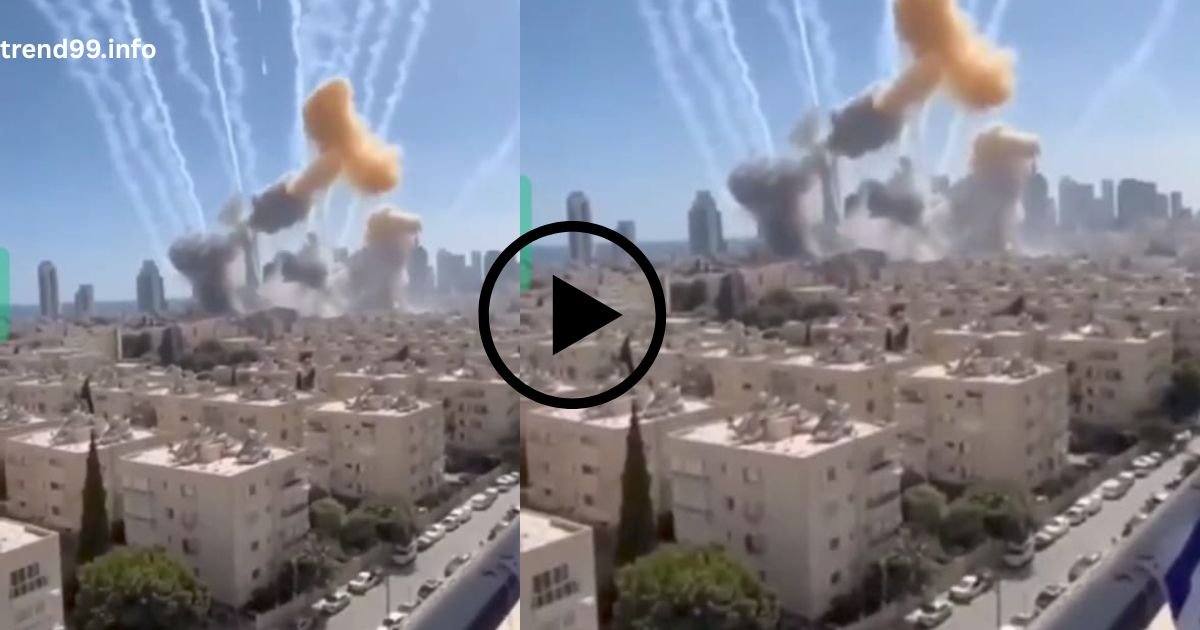
Picture this: Tensions boil over in the Middle East as US and Israeli forces launch joint strikes against Iran. Social media lights up with videos claiming to capture the chaos. Then, a prominent Canadian news host jumps in, sharing a clip that looks like a fighter jet unleashing destruction on Iranian targets.
But hold on it’s not real. Ben Mulroney, the interim host of Global News’ The West Block, posted what turned out to be Arma 3 video game footage, mistaking it for actual Ben Mulroney Iran airstrikes video game footage.
This slip-up sparks questions about media trust during fast-moving conflicts. For Americans glued to updates on US involvement, it highlights how easily fake clips spread amid real dangers. Let’s break down the story step by step.
The Incident Unfolds – Ben Mulroney Posts Amid Escalating Iran Conflict
Escalating US-Israeli strikes on Iranian targets kicked off around February 28, 2026, sending shockwaves across the globe. Reports flooded in about targeted killings of key Iranian leaders, including Supreme Leader Ali Khamenei, and widespread bombings that hit military sites, nuclear facilities, and even civilian areas.
The US Central Command claimed they destroyed over 1,250 targets, crippling Iran’s air defenses and missile capabilities. Amid this turmoil, Ben Mulroney steps into the spotlight. He grabs an unverified video and shares it on his X account on Saturday, March 2, 2026, right as the attacks intensify.
The clip shows a jet dodging missiles and dropping bombs—viewers quickly assume it’s genuine footage from the Ben Mulroney shares video game clip as real Iran airstrikes saga. Mulroney, son of former Canadian Prime Minister Brian Mulroney, has built a career in entertainment and now politics, but this move raises eyebrows. Why? Because he’s not just any poster; he’s hosting a major show that influences public opinion on global events like these US-backed operations.
For context, Mulroney took over as interim host of The West Block in September 2025 when regular host Mercedes Stephenson went on parental leave.
The show dives into political affairs, much like US staples such as Meet the Press. His post racked up views fast, fueling the online frenzy. But as Press Progress later revealed, the video wasn’t from the front lines. It stemmed from a 2024 YouTube upload by a gaming channel called Battle Dragon, featuring high-octane Arma 3 gameplay.
Bohemia Interactive, the game’s developers, confirmed it—yet again, their realistic simulator tricked eyes during a real crisis. This isn’t new; Arma 3 clips have fooled people in past conflicts, from Ukraine to Gaza. In this case, it amplified misinformation just as Americans watched their forces join Israel in degrading Iran’s military, with death tolls climbing to over 780 in Iran alone.
Here’s a quick timeline of the escalating conflict for clarity:
- February 28, 2026: US and Israel launch initial strikes, targeting IRGC facilities and air defenses. Supreme Leader Khamenei is killed in a targeted attack on his compound.
- March 1, 2026: Strikes expand to nuclear sites like Natanz, with reports of severe damage. Iran retaliates with drones hitting US embassies in the region.
- March 2, 2026: Ben Mulroney posts the fake clip on X amid ongoing bombings in Tehran and Lebanon. US claims destruction of Iranian ships and command centers.
- March 3, 2026: Israel strikes more sites in Iran, including those linked to nuclear development, as global leaders call for de-escalation.
This sequence shows how Ben Mulroney deletes fake Iran strikes video fits into a broader, volatile picture that directly impacts US foreign policy.
Exposed: The Clip Comes from Arma 3 – Not Real Iran Airstrikes
Press Progress didn’t waste time. They dug deep and exposed the Ben Mulroney Arma 3 clip as pure fiction. The video matched exactly to a December 2024 post on YouTube by Battle Dragon, a channel dedicated to Arma 3 simulations. In the game, players craft realistic military scenarios, complete with jets, explosions, and tactical maneuvers.
Bohemia Interactive stepped in to verify: Yes, this is our 2013 title, often modded for custom battles. Why does it fool so many? Arma 3’s graphics push boundaries—detailed environments, dynamic lighting, and physics that mimic real warfare. During the Ben Mulroney shares video game clip as real Iran airstrikes incident, the clip showed a Russian-style jet (not even matching US or Israeli aircraft used in the strikes) bombing what looked like urban targets. But eagle-eyed fact-checkers spotted glitches: unnatural smoke patterns, repetitive animations, and no real-world timestamps or sources.
This isn’t isolated. Arma 3 has a history of masquerading as reality. Developers even issued warnings after clips were passed off as Ukraine war footage in 2022, or Gaza clashes in 2023. In one case, a Romanian news channel aired an old Arma 3 video as Ukrainian fighting. Social media amplifies it—algorithms favor dramatic visuals, and users share without checking. For US audiences, this matters because fake Ben Mulroney Iran airstrikes video game footage can sway opinions on military actions. Imagine scrolling X and thinking the strikes are more devastating than they are, based on a game.
Fact-checkers like Reuters have debunked similar clips, noting telltale signs like mismatched military gear or impossible camera angles. Bohemia urges viewers to spot differences: Real footage often has shaky cams, audio cues, or verifiable metadata, unlike polished game renders.
To spot fakes like the Ben Mulroney Arma 3 Iran airstrikes clip, consider this checklist:
- Source Verification: Does it come from a reputable news outlet or eyewitness? Games lack this.
- Visual Clues: Look for HUD elements (heads-up displays) or unnatural smoothness in movements.
- Context Match: Do the weapons, vehicles, or locations align with known facts? The clip featured a non-US jet.
- Reverse Search: Tools like Google Images can trace back to gaming channels.
Arma 3’s realism stems from its modding community, but it underscores a bigger issue: In 2026’s digital age, discerning truth during conflicts like the US-Israel-Iran strikes demands vigilance.
Ben Mulroney Deletes the Post – But No Correction Follows
Mulroney let the post simmer for over 24 hours, allowing it to spread like wildfire. By Monday afternoon, March 3, 2026, he quietly deleted it—right after Press Progress published their takedown and reached out to Global News for comment. No apology popped up, no clarification tweet, nothing.
This silence speaks volumes in an era where accountability builds trust. Viewers, especially in the US where media scrutiny is intense, expect corrections when hosts err on global stories like the Ben Mulroney deletes fake Iran strikes video. Global News stayed mum too, leaving critics to wonder if network standards apply to interim hosts. Mulroney’s X bio touts his radio show and TV gigs, but his self-proclaimed “not a journalist” stance might explain the casual approach. Yet, with 84,000 followers, his shares carry weight.
Deleting without comment isn’t rare, but it erodes credibility. Think of past US media mishaps, like networks retracting false reports during the Gulf War. Here, the lack of follow-up left misinformation lingering. Press Progress noted the post’s timing: Amid real strikes killing hundreds, a fake clip could inflame tensions or mislead on US strategy.
Mulroney’s pattern? He’s shared contested content before, often leaning pro-Israel without caveats. This fuels debates on whether personal biases seep into professional roles, especially during sensitive Ben Mulroney shares video game clip as real Iran airstrikes moments.
Why This Mistake Hits Hard – Credibility Questions for a Major News Host
Ben Mulroney hosts The West Block, Canada’s go-to for political deep dives, reaching audiences similar to US Sunday shows. But he insists he’s no journalist—just a broadcaster filling in. This Ben Mulroney Arma 3 Iran airstrikes blunder questions that line. Sharing unverified content during active US-Israel operations spreads fog-of-war confusion fast.
Americans see echoes in their own media: Fake clips during Ukraine or past Middle East flare-ups misled millions. Critics on Reddit and X blasted Mulroney, pointing to his nepo-baby status (son of a PM) and lack of journalistic training. One LinkedIn post called it “the least favorite nepo baby” getting a top gig, highlighting concerns over merit in media.
The hit to trust is real. Polls show declining faith in news amid misinformation—Pew Research notes 65% of Americans worry about fakes influencing elections or policy.
Mulroney’s error amplifies that, especially as he covers topics tied to US interests like Iran sanctions. His radio show, The Ben Mulroney Show, often tackles hot-button issues, but without rigorous fact-checking, risks echo chambers. Online backlash included calls for Global News to act, drawing parallels to US networks firing hosts for ethics slips. In short, when a host with platform power fumbles the Ben Mulroney Iran airstrikes video game footage, it shakes viewer confidence in balanced reporting.
| Factor | Impact on Credibility |
|---|---|
| Host’s Background | Entertainment roots, no formal journalism creds; self-admitted non-journalist. |
| Platform Reach | 84K X followers + national TV audience; amplifies errors quickly. |
| Timing | During real strikes; could mislead on US military actions. |
| Response | Deletion without correction; seen as dodging accountability. |
Past Controversies Add Fuel – Ethics Concerns Around Ben Mulroney
Criticism didn’t start with the Ben Mulroney shares video game clip as real Iran airstrikes. Flash back to 2025: Mulroney joined a government-funded trip to Israel, sponsored by Israel’s Ministry of Foreign Affairs. Watchdog groups like CJPME flagged it as a conflict—accepting perks from a foreign power while hosting a politics show?
He met officials, toured sites, and later shared views some called biased, like comparing Gaza genocide claims to flat-earth theory on his radio show. This drew boycotts from community groups, who argued it violated Global News’ ethics on objectivity. Mulroney doubled down, but the trip’s funding (confirmed by Press Progress) raised red flags about impartiality in Middle East coverage.
Tie this to the Arma 3 incident: During Iran strikes tied to Israeli actions, his quick share of a pro-strike-looking clip (fake or not) smells of slant. Critics see a pattern—other contested shares during conflicts, often without balance. For US readers, it’s like a host taking a sponsored Saudi trip then covering oil politics.
Ethics codes from bodies like the Society of Professional Journalists stress avoiding such ties. Mulroney’s dual roles (lobby advisor, partisan event host) blur lines, as Press Progress detailed. This fuels broader debates: In polarized media, can hosts with baggage fairly cover US-allied operations? The Israel trip, combined with the Ben Mulroney deletes fake Iran strikes video, paints a picture of credibility at risk.
The Bigger Picture – Misinformation in the Fog of US-Israel-Iran Strikes
Real airstrikes hit hard: Starting February 28, 2026, US and Israel targeted Iran’s nuclear ambitions, killing leaders and destroying sites. Trump called it preemptive, but chaos ensued—Iran retaliated with drones on US bases, closing embassies. Social media overflowed with clips: Some genuine, many fakes from Arma 3, War Thunder, or recycled old footage. Why games? They’re easy to grab, cinematic, and viral before checks.
The Ben Mulroney Arma 3 Iran airstrikes case exemplifies how misinformation thrives in crises, potentially swaying US public support for the war.
Lessons abound: Always cross-check. In this fog, fakes like Ben Mulroney Iran airstrikes video game footage confuse realities, like the 787 deaths reported by Iran’s Red Crescent. Broader implications? Eroded trust in institutions, heightened tensions. US parallels: Viral fakes during Iraq or Afghanistan misled policy debates.
What This Means for Journalism and Viewer Trust in 2026
Networks face heat—one viral slip like Ben Mulroney shares video game clip as real Iran airstrikes damages reps when covering volatile tales. US examples: CNN retractions during past wars.
Call for verification: Big-platform hosts bear extra duty. In 2026’s instant-share world, pausing saves face—and curbs confusion.
Frequently Asked Questions About Ben Mulroney Iran Airstrikes Video Game Clip
- Was the video really from Arma 3? Yes—Bohemia confirmed, traced to 2024 gaming upload.
- Did Ben Mulroney apologize? No public statement issued.
- Why share unverified content? Likely rushed amid news; spotlights verification gaps.
- How does this connect to his Israel trip? Critics link it to bias in conflict reporting.
In wrapping up, the Ben Mulroney deletes fake Iran strikes video saga reminds us: Stay sharp on sources amid global flashpoints